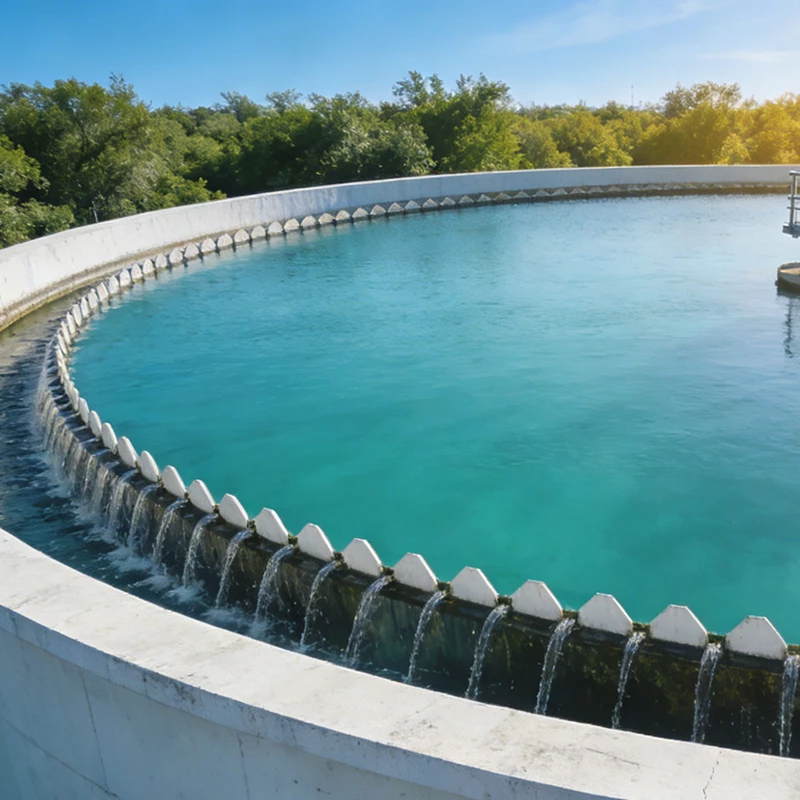
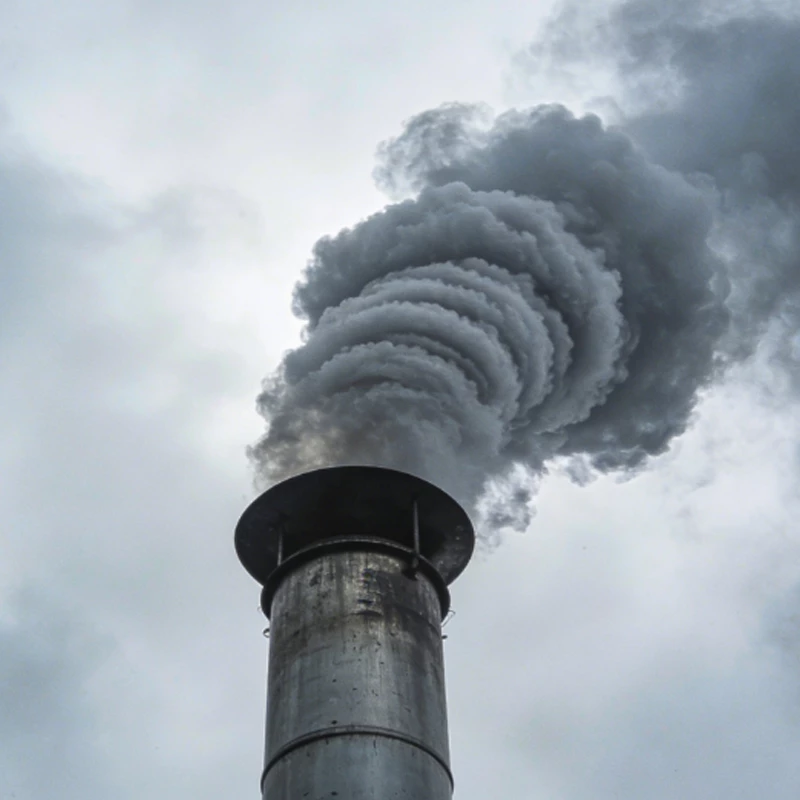
In numerous fields—including water purification, formaldehyde removal, decolorization, gold extraction, and waste gas treatment—activated carbon serves as an indispensable "core material."
How exactly does this seemingly ordinary mass of black matter transform—step by step—from a pile of raw materials into activated carbon possessing such powerful adsorption capabilities?
1. Raw Material Selection: The Quality of Superior Activated Carbon Is Determined at the Source.
Activated carbon is fundamentally a carbon-based adsorbent material; consequently, its raw materials must satisfy three core criteria: high carbon content, low impurity levels, and a stable supply source.
In industrial production, the predominant raw materials fall into four major categories: fruit shells, wood, coal, and specialized materials such as petroleum coke and pitch.
Without high-quality raw materials, there can be no high-quality activated carbon. This is the first step in production—and the most critical one.
2. Pre-processing: "Shaping and Structuring" Raw Materials—Paving the Way for Production
Upon arrival at the facility, raw materials cannot be fed directly into high-temperature production processes, they must first undergo pretreatment: Specifically crushing and pulverizing, screening and classification, and drying and dewatering—to ensure the stability and efficiency of subsequent operations.
These seemingly simple three steps enable more thorough subsequent carbonization and activation, directly boosting both the yield and performance of the activated carbon.
3. Carbonization: From Raw Materials to "Base Carbon"—Constructing the Carbon Skeleton
Upon completion of the pretreatment, the raw materials enter the carbonization furnace carbonization. The core of this step lies in oxygen exclusion and high-temperature pyrolysis, with the temperature controlled within the range of 400–600°C. In an oxygen-free environment, moisture, volatile matter, and non-carbon impurities present in the raw material are thoroughly expelled, leaving behind only a stable carbon skeletal structure, which transforms into a black carbonized material.
At this stage, the carbonized material possesses very few internal pores and virtually no adsorption capacity, it serves merely as the "rough stock" for activated carbon.
4. Activation: The "Soul Process" of Activated Carbon—Endowing It with Superb Adsorption Power
The transformation from "raw carbon" to "high-performance activated carbon" relies entirely on the activation step. This constitutes the most critical and complex stage of the production process; its objective is to "create pores" within the carbon's skeletal structure, thereby endowing the activated carbon with a highly developed network of micropores, mesopores, and macropores, while dramatically expanding its specific surface area.
Industrial activation is primarily categorized into two methods: physical activation and chemical activation.
Following activation, the internal surface area of just one gram of activated carbon can reach upwards of 1,500 square meters—equivalent in size to a football field—thereby giving rise to its extraordinary adsorption capabilities.
5. Post-processing: Purification and Refinement to Ensure Compliance
Following activation, the activated carbon still retains trace amounts of impurities, salts, or residual reagents; therefore, it cannot be used directly and must undergo a post-processing purification sequence: acid washing, water washing, drying, and—depending on requirements—forming or sieving.
Only upon the completion of this stage does the activated carbon truly meet the usage standards for food-grade or industrial-grade applications, ensuring it is safe, stable, and highly efficient.
6. Packaging Inspection: Rigorous Checks at Every Stage to Ensure Qualified Finished Products
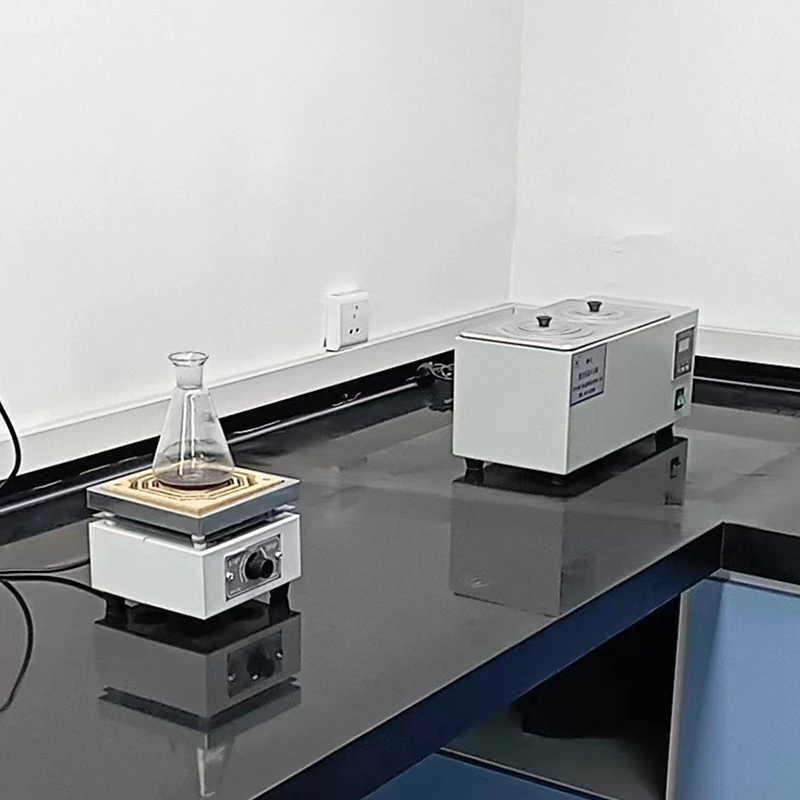
The final stage of the process consists of quality inspection and packaging. The factory conducts comprehensive testing on every batch of activated carbon, assessing key parameters such as iodine adsorption value, methylene blue value, mechanical strength, ash content, moisture content, particle size, and pH value.
Only when all indicators meet the required standards is the product sealed, packaged, and moved into storage, ultimately destined for application in diverse fields including water treatment, air purification, food and pharmaceuticals, gold recovery, and waste gas treatment.
If you would like more information, please feel free to contact us at any time. We are available to assist you 24 hours a day.