
Air And Gas
Newcarboncoming Activated Carbon offers various solutions for gas phase and air treatment.
Our activated carbon solutions represent a new benchmark in air purification technology, serving applications from industrial emission control to specialty gas treatment.
Industrial & Environmental Applications:
- Advanced VOC removal systems for industrial processes
- Mercury capture solutions for flue gas treatment
- Solvent recovery systems for industrial reuse
Air Purification & Safety
High-efficiency air purification for commercial spaces
Specialty activated carbon for automotive applications
Materials for professional-grade personal protective equipment
Specialty Gas & Liquid Treatment
Removal of H₂S, siloxanes, and VOCs
Purification of gas treatment liquids to minimize foaming and corrosion
Color and impurity control in natural gas liquids (NGL)
Extraction of CO₂, nitrogen, H₂S, mercury, and other metals from natural gas
In gas treatment and solvent recovery, the physical morphology and pore structure of activated carbon determine its application direction.
Activated Carbon Commonly Used for Gas Treatment (General Purification)
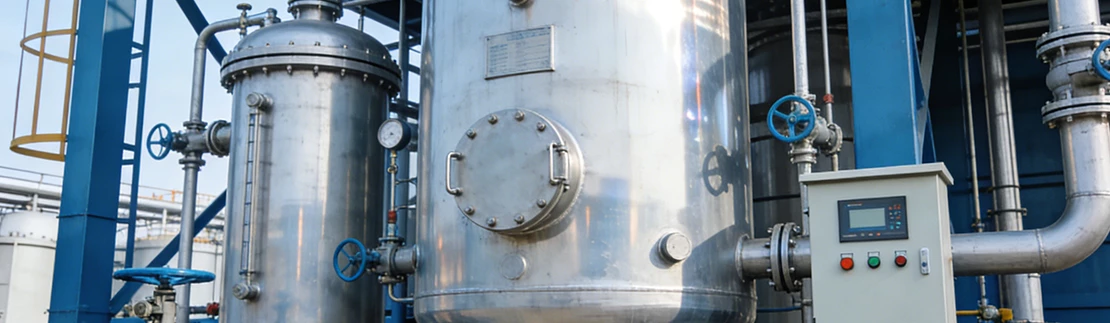
Focuses on low-concentration, high-volume air purification or interception of harmful gases:
Extruded/Pellet Activated Carbon: Used for industrial waste gas desulfurization and denitrification, indoor air purification (formaldehyde removal), and as a gas mask filter element.
Honeycomb Activated Carbon: Used in high-volume VOCs exhaust systems in factories (such as paint booths and printing workshops), typically used in conjunction with Reactive Catalytic Oxidation (RCO) equipment.
Impregnated Modified Activated Carbon: Specifically removes acidic gases, alkaline gases, or mercury vapor.
Activated Carbon Specialized for Solvent Recovery (High-Value Recovery)
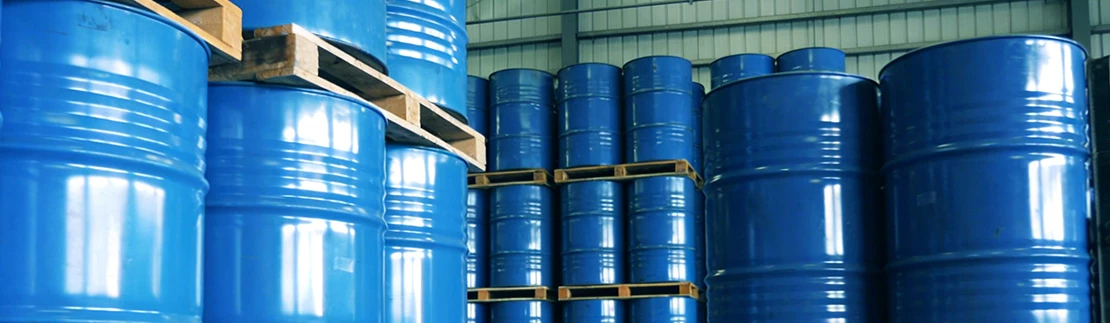
Focuses on high adsorption capacity and easy desorption:
High-Quality Coal/Wood-Based Activated Carbon: Used for conventional medium-to-high concentration solvent recovery, such as toluene, xylene, benzene, and ethers.
Spherical Activated Carbon: Used in fluidized bed adsorption systems for the efficient recovery of hydrocarbons from specific industrial exhaust gases.
Specific Applications
- Biogas Desulfurization
- In biogas desulfurization, Newcarboncoming activated carbon primarily removes hydrogen sulfide to protect downstream equipment (such as generator sets and boilers) from corrosion.
Its applications mainly fall into two categories:
Impregnated Modified Activated Carbon (Chemical Adsorption)
Alkaline Impregnated Carbon: Loaded with sodium hydroxide or potassium carbonate, it fixes H₂S through an acid-base neutralization reaction.
Metal Oxide Impregnated Carbon: Loaded with oxides of iron, copper, or manganese, it converts H₂S into elemental sulfur or sulfate through a catalytic oxidation reaction.
In-situ Catalytic Oxidation (Micro-oxygen Desulfurization)
A very small amount of air (oxygen) is injected into the biogas, utilizing the catalytic effect on the surface of the activated carbon to deposit elemental sulfur into the pores. This method typically uses coal-based columnar activated carbon, which is relatively inexpensive.
- Solvent Recovery
- Activated carbon primarily acts as an "adsorption transfer station" in solvent recovery. It first adsorbs and traps organic solvents in waste gas, then desorbs and condenses them using a heat source (steam or nitrogen), achieving resource recycling.
Activated carbon is most effective at recovering non-polar or moderately polar volatile organic compounds (VOCs):
Aromatic hydrocarbons: benzene, toluene, xylene
Ketones: acetone, butanone (MEK), cyclohexanone
Esters: ethyl acetate, butyl acetate
Halogenated hydrocarbons: dichloromethane, trichloroethylene, carbon tetrachloride
Alcohols/ethers: methanol, ethanol, diethyl ether, isopropyl ether
Others: carbon disulfide, n-hexane
Air Purification

Activated carbon acts as a "molecular filter" in air purification, primarily capturing gaseous pollutants in the air through its highly porous structure.
Core Application Scenarios:
Indoor air purification
Odor control
Industrial waste gas treatment
Personal protection
Targeted Gas Treatment:
Ordinary activated carbon mainly physically adsorbs non-polar macromolecules
Modified activated carbon specifically targets polar small molecules
Formaldehyde removal activated carbon
Acid/alkali removal activated carbon for intercepting ammonia or acidic mists
Flue Gas and Mercury Removal

In flue gas purification from coal-fired power plants, waste incineration plants, and industrial boilers, powdered activated carbon is mainly responsible for intercepting trace amounts of highly toxic substances such as heavy metal mercury (Hg) and dioxins.
Automotive Applications

Newcarboncoming activated carbon primarily functions as a "gasoline vapor recovery device" and "air purifier" in automobiles. It intercepts and recovers gasoline vapors evaporating from the fuel tank in the carbon canister, while also adsorbing external exhaust odors and formaldehyde from the vehicle's interior in the air conditioning filter.
Click Here to Ask for a Quote